Are there ads, accounts or tracking?
None of them, and no personal data. What that really means, and where you can check it yourself.
Game Tailors
Source: Professor Oops for parents: ads, data, price, screen time
The drawing app where the paper is real. No ads. No accounts. No personal data: only anonymous counts, which you can switch off.
Game Tailors · Schieweg 15Y-40, 2627 AN Delft (NL)
KvK 92437702 · VAT NL866044474B01
info@gametailors.com · +31 6 4227 5919
© 2026 Game Tailors
For parents
Professor Oops has no ads, no accounts and no personal data: it only keeps anonymous counts of which tools are used, and you can switch those off. It is free to start, with one optional unlock a grown-up buys once, never a subscription. The apps work offline, and every experiment can be done for real in your kitchen afterwards.
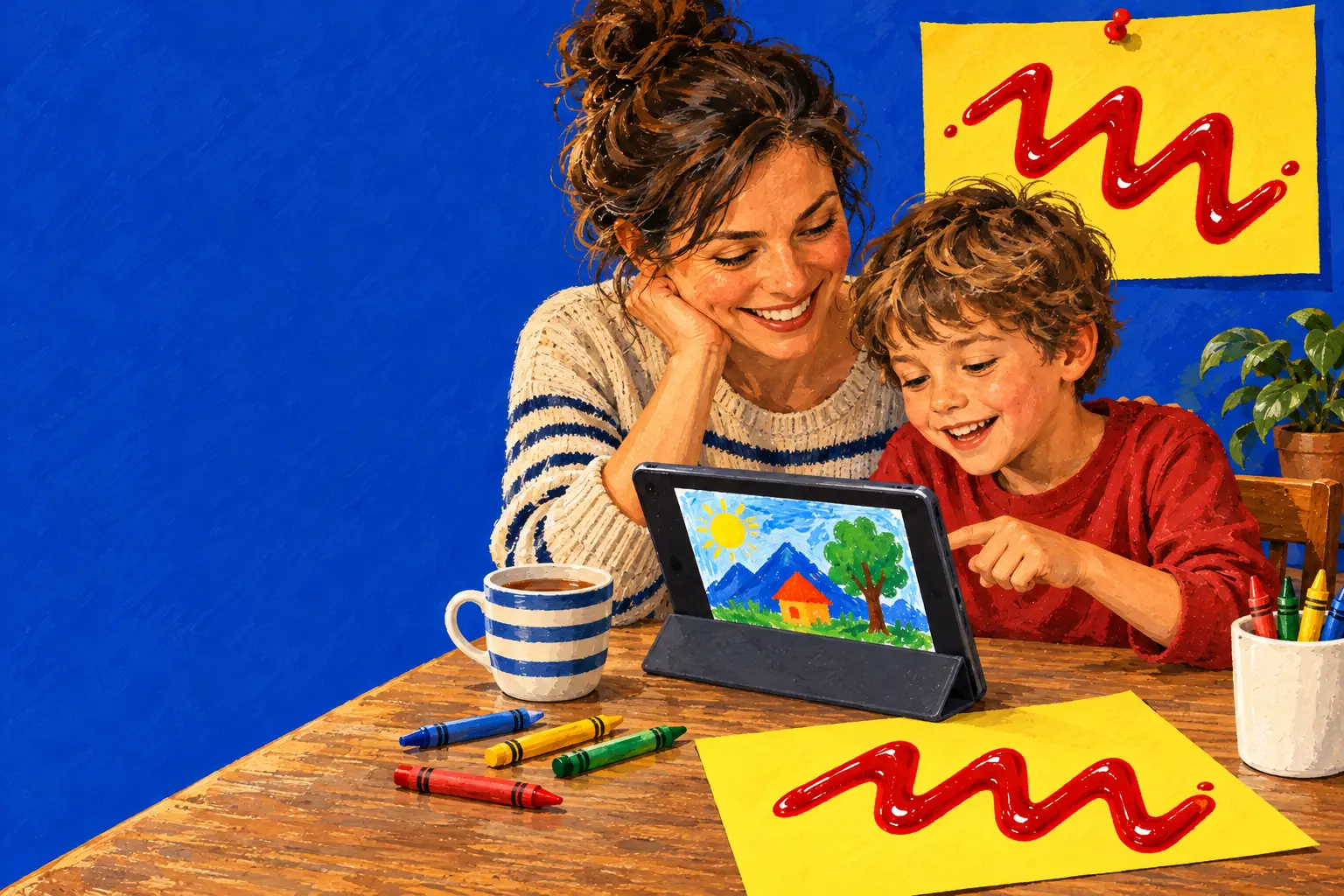
Professor Oops is a drawing and painting app for children aged about 4 to 10 in which the paper behaves like the real thing: paint bleeds, ketchup splats, pages bake and freeze, and real kitchen science happens on screen. No ads, no accounts, no personal data, and it works offline.
It is made by Game Tailors, a small studio in the Netherlands. Children can make the mess you'd rather skip at home (ketchup on a painting, a page baked in the oven), and anything dangerous, such as fire or bleach, stays on the screen as a safety lesson. The pages below answer the questions parents ask us most, one worry per page, so you can read only the one you need.
None of them, and no personal data. What that really means, and where you can check it yourself.
Free to start, one €5.99 unlock bought once by a grown-up, no subscription. What's free and what isn't.
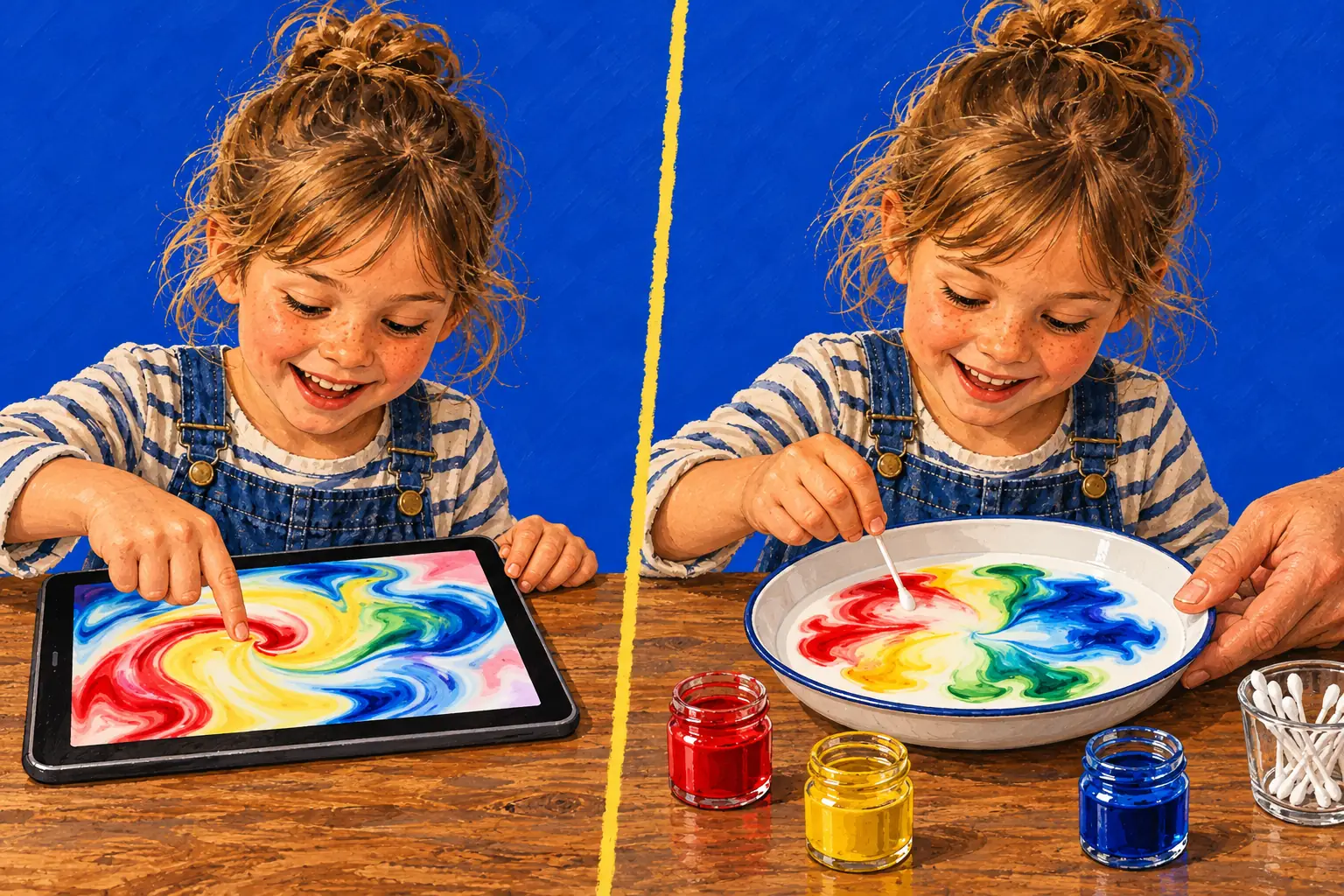
Screen time that ends in the real kitchen: try it on screen, then do it for real together.
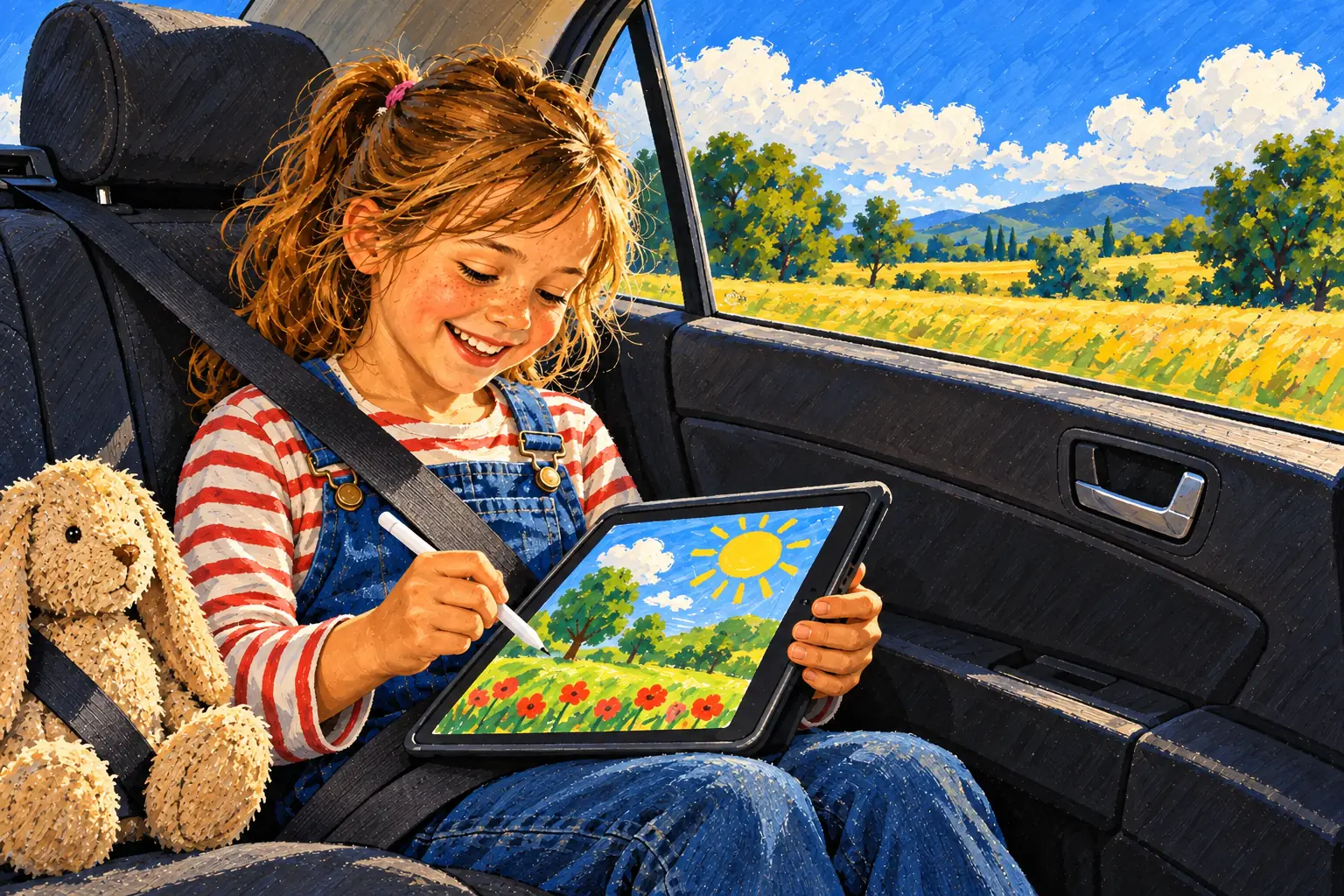
The apps run fully offline: in the car, on a plane, at the holiday cottage.
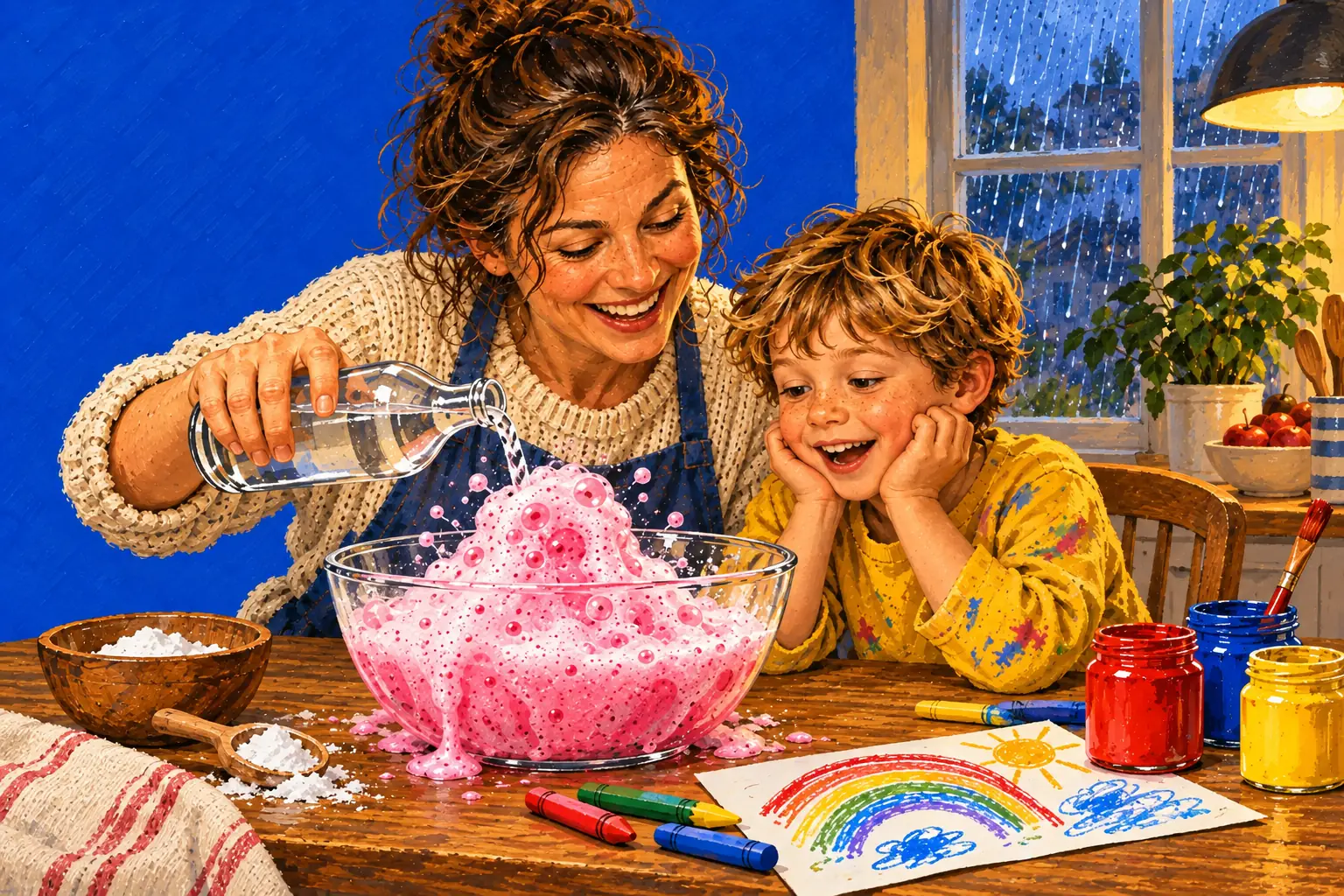
Ten ideas, five on screen and five in the kitchen, each with its own how-to.
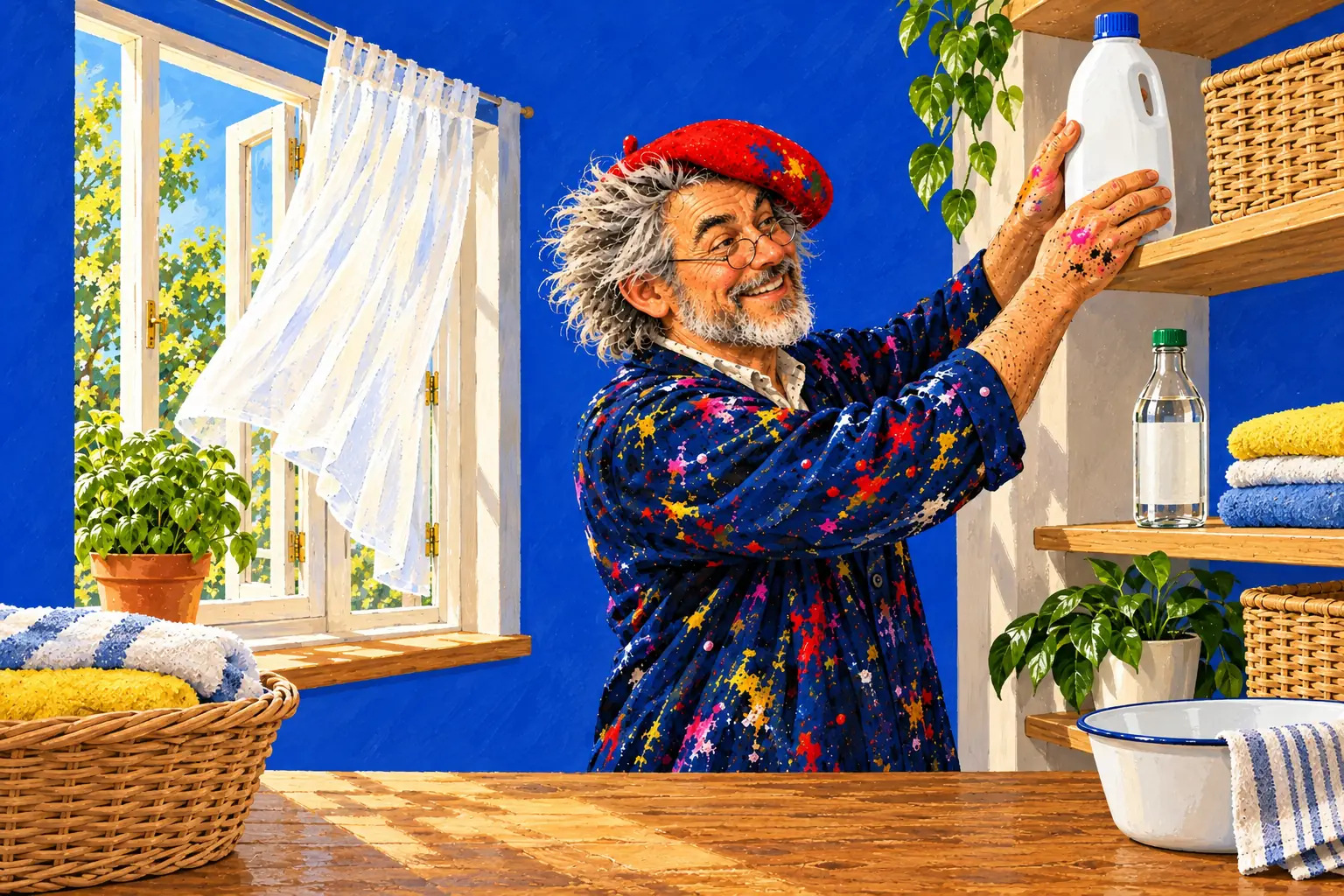
Why some things are in the game, and why they stay on the screen. Our safety pages, with the numbers to call.
By playing, children find out how red cabbage juice, vinegar, baking soda and wet paper really behave. And because the game sets no goals, they choose their own. What they discover, what research says about free play, and what you can add in five minutes.
Everything on this box is true today and the same on every page of this site. If something changes, we change it here first.
What the box doesn't cover: the full privacy policy is on the privacy page, and help with buying, restoring and devices is on the support page.
Your child sees paper, paint, food and tools. No prices, no padlocks, no greyed-out buttons, no "ask a grown-up" pop-ups. In the free version each tab simply shows the tools that are free.
You see a plain Parents & teachers button. Behind it, after an easy sum like 37 + 40, are the settings (sound, language, the anonymous counts, and music, which can be switched off separately from the sound effects), the one purchase, and restoring it on a new device. In the iPhone, iPad and Android apps, saving a picture to the device asks for the sum too.
Children of about 4 to 10. Younger children enjoy the splats and the oven; older ones get more out of the experiments and the drawing kit. Plenty of grown-ups keep playing too.
Yes. In the game they see what happens without the risk, and the game tells them why you never do it for real. Fire, bleach with vinegar and the magnifying glass in the sun stay on the screen only; our safety pages explain what to do if it ever happens at home.
Yes. Several fingers can draw at the same time without getting in each other's way, so two children can paint on one tablet together. They both use the tool that is picked.
It is a drawing app where real science happens: red cabbage changes colour with vinegar, mould grows on food left out, egg sets in the oven. We don't promise better grades. We show what happens, and the experiment pages explain why.