Professor Oops

Pencil, crayon and paper

Pencil, crayon and paper

Every line remembers what drew it

Rub a pencil line with the hand and it smudges. Pour water on it and it stays. Dry watercolour does the opposite. Crayon leaves wax in the paper, so paint slides off it later. And a pencil pressed hard dents the sheet, so the next pencil that passes finds the dent.

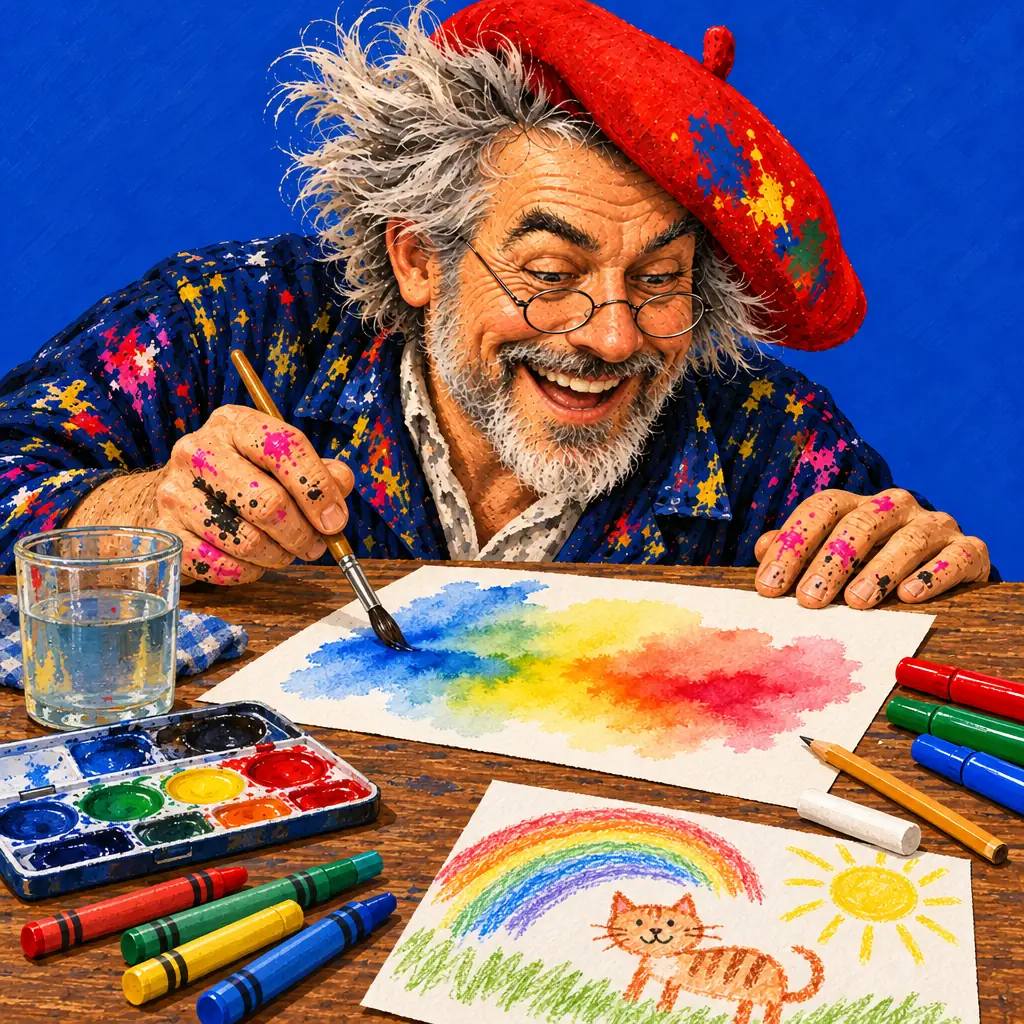
Painted illustration of the painter brushing a rainbow watercolour that bleeds into wet paper, with crayons, markers, a paint box and a child's rainbow drawing

Paper has a grain, and each tool catches it in its own way

Real paper is a web of fibres with tops and valleys. A light pencil only touches the tops, so the line looks grainy. Press harder and the lead reaches into the valleys and fills them.

The game's paper has that tooth too. Every spot of the sheet has a fibre value between 0 and 1, made from smooth noise with long streaks running sideways. A pencil or a crayon only leaves colour where the fibre stands high enough for it to reach.

The pencil comes with three choices for how hard you press: lightly, as usual and hard. That one choice changes how deep into the grain the lead reaches, how much it lays per touch, and how dark it can ever get. A light line stays pale however long you scribble. A hard one goes dark and fills the grain.

Crayon is waxy, so it catches the raised fibres first and the paper's grain shows through, most of all at the edges of a stroke. A marker ignores the tooth: its dye soaks in, so it covers evenly and stops at its own strength. Watercolour lays half dye, half pigment. Paint hardly goes into the paper. It lies on top as a layer that holds its shape, dries and can crack.

Every line remembers what drew it

For engineers

Every line remembers what drew it

Each cell of the sheet (up to 512 × 384, about half a millimetre a cell) keeps colour as absorbance per channel, plus separate records of how much of it sits loose, how much is held against water, the wax, the graphite and the height of the ground. A smudge reads one record, a wash another, a later pencil a third. Each medium is typed in with its own two shares: graphite is mostly loose, crayon is almost all held, and both stay put under water.

Under the hood
Paper has a grain, and each tool catches it in its own way

Under the hood

Paper has a grain, and each tool catches it in its own way

The fibre field is made once per sheet from two layers of fractal noise: a fine, even grain, and a coarse one stretched sideways for the streaks. It is a texture that each seed makes differently, not a model of fibres.

The pressure picker drives three numbers along smooth curves: how high a fibre must stand for the lead to reach it, how much the lead lays per touch, and a ceiling on how dark the cell can get. Pressing harder lowers the first and raises the other two, which is what the chart below plots. The rim of the tip reaches less than its middle, and a bump in the ground (section three) helps it reach. Each touch lays less as the cell nears its ceiling, so going over a line again saturates instead of turning black.

The crayon has one fixed reach, higher than a usual pencil's, and lays colour until the cell is about as dark as its own colour. A marker ignores the grain and saturates toward its own strength.

Strokes are walked in steps of a fraction of the tip's radius so a fast swipe leaves no gaps. Every pointer move gets at least one touch and no leftover distance is carried, so a slow stroke lays more per cell than a fast one until the colour's own ceiling stops it.

Try it: draw on the paper's tooth The game's own rule

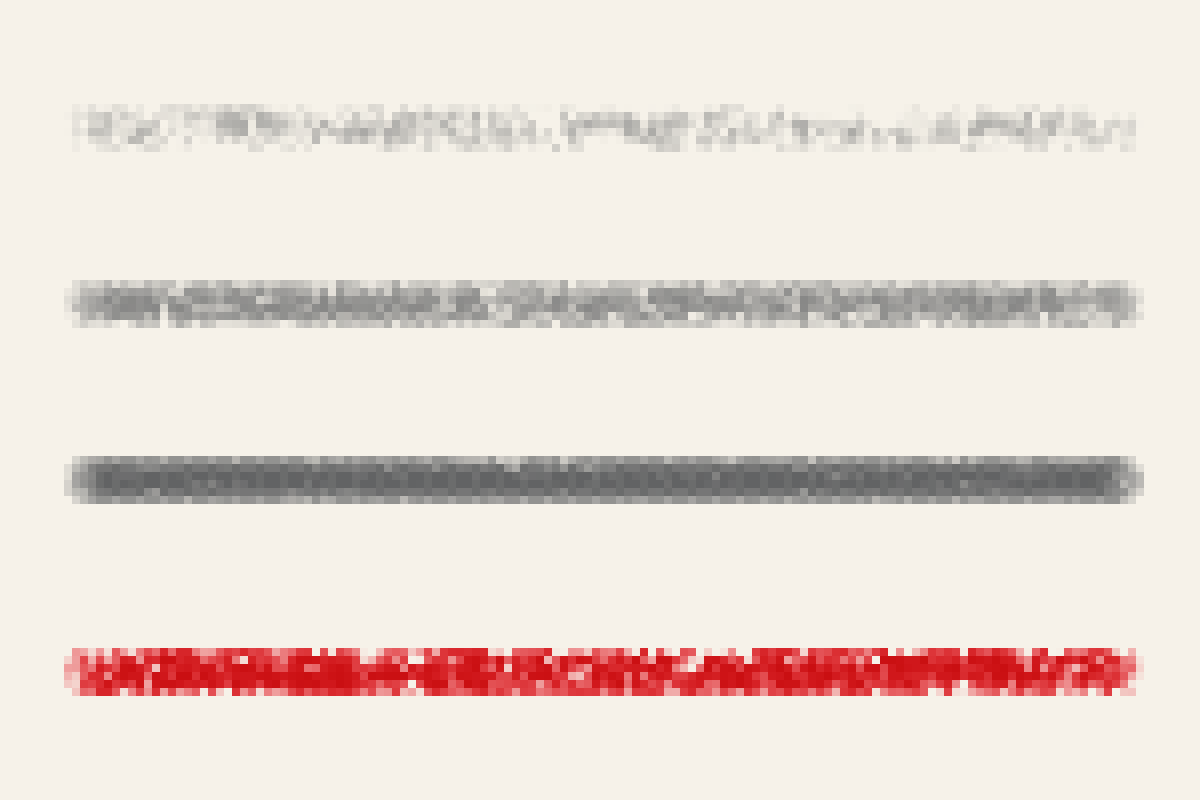
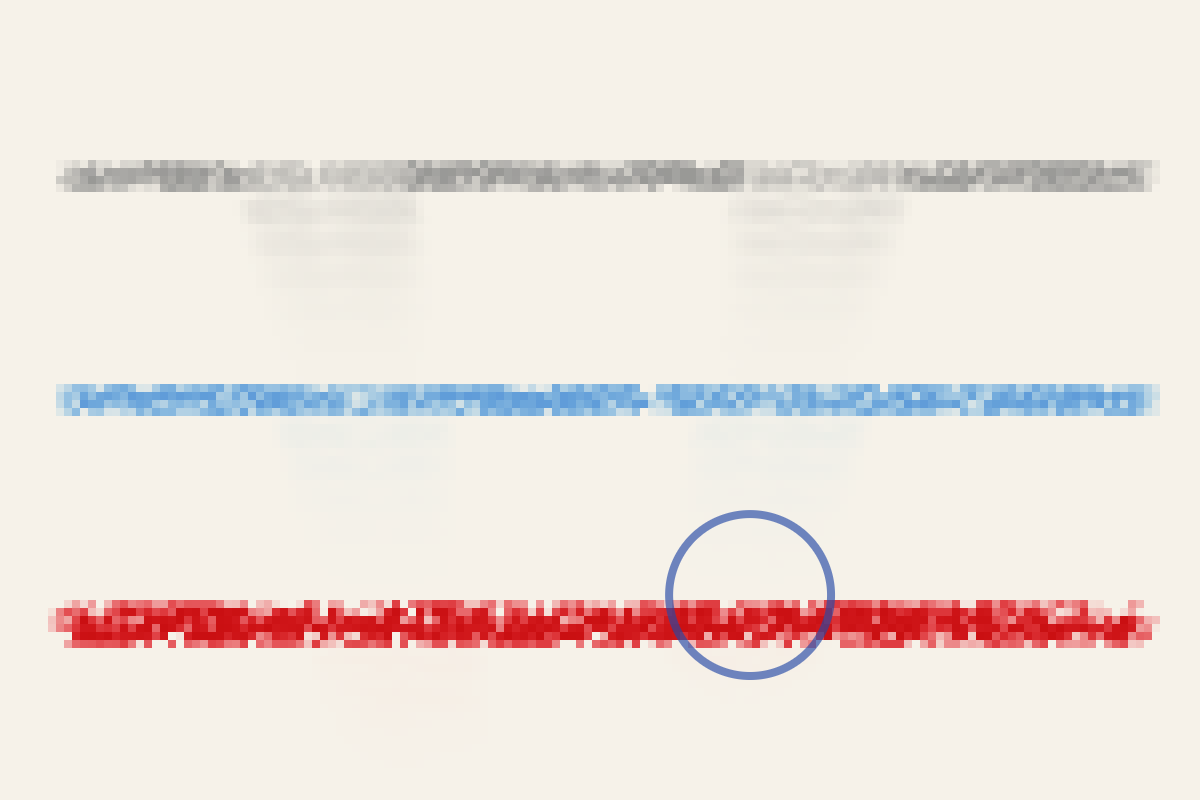
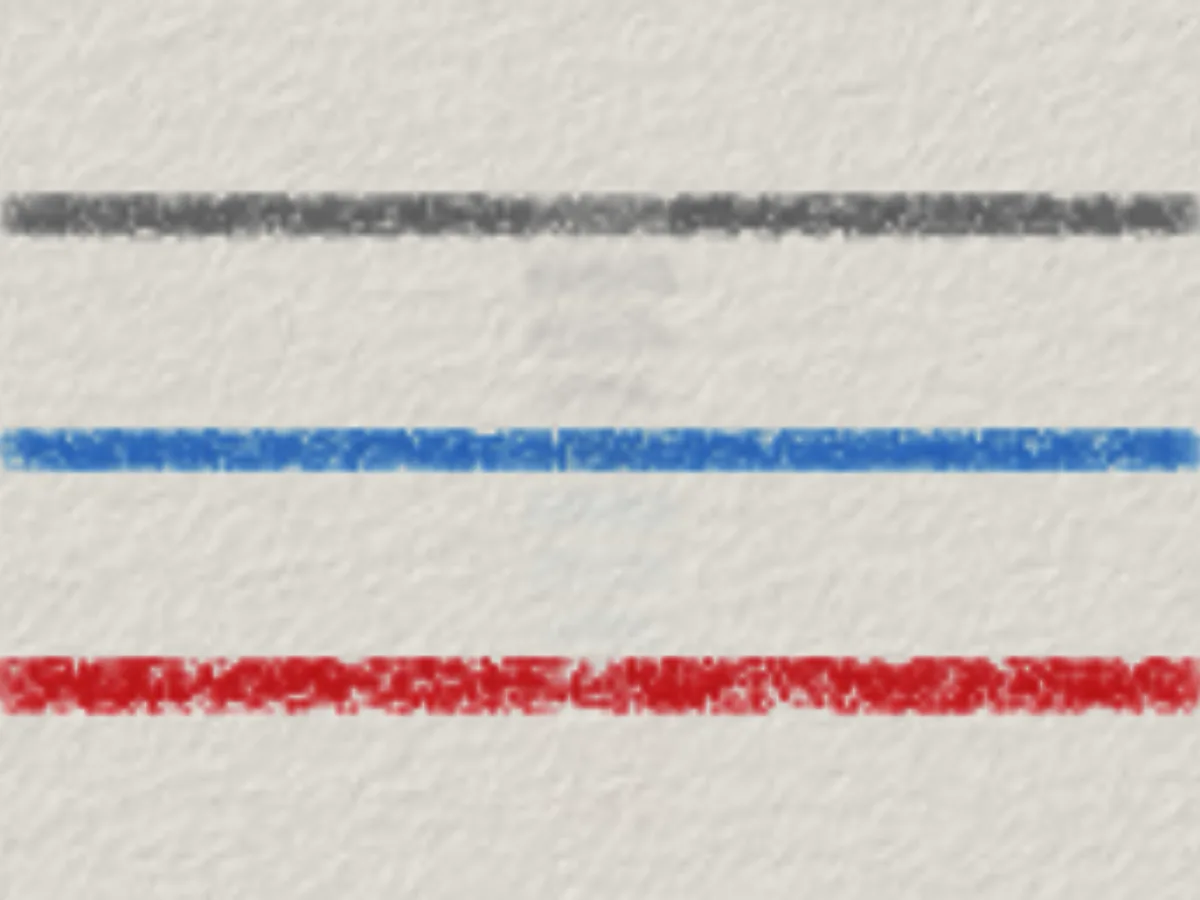
From the top: a grey pencil pressed lightly, as usual and hard, then a red crayon. Draw your own lines and change how hard you press, or press Draw a line. What to look for: the light line keeps white specks where the fibres are low, most of all along its edges, and going over it again darkens it only up to its own low ceiling. The hard line fills the grain. Drawn hard with a fine tip, a line also presses a thin groove into the paper (the ready-made hard line is too broad for that).

Paper with grey pencil lines at three pressures and a red crayon line; draw to add your own
Tool
How hard
0.25
at the tip's rim, it reaches fibres above
—
lays per touch
—
darkest
—
your last stroke coloured
—
How hard you press sets three things at onceAt "lightly" the lead reaches only about half the cells at the edge of its tip (worked out over the paper's grain, not a game measurement). An automated test checks a light line leaves a quarter or more of its cells white and a hard one almost none.

From lightly to hard, the reach falls from 0.51 to 0.09, the darkest a line can get rises from 0.62 to 1.96 times its own colour, and what it lays per touch from 0.059 to 0.137.

How hard you press sets three things at once0.00.51.01.52.00.00.20.40.60.81.0how hard you press (0 lightly, 0.5 as usual, 1 hard)pencil setting (game units)lightlyas usualhardHow hard you press sets three things at once0.00.51.01.52.00.00.20.40.60.81.0how hard you press (0 lightly, 0.5 as usua…pencil setting (game units)lightlyas usualhard
  • reach: fibres below this stay white
  • darkest it can get (× its own colour)
  • laid per touch, × 10
Data table
How hard you press sets three things at once
how hard you press (0 lightly, 0.5 as usual, 1 hard)reach: fibres below this stay whitedarkest it can get (× its own colour)laid per touch, × 10
00.510.6170.591
0.050.4890.6540.617
0.10.4680.6930.643
0.150.4470.7340.671
0.20.4260.7780.7
0.250.4050.8240.73
0.30.3840.8730.761
0.350.3630.9250.793
0.40.3420.980.827
0.450.3211.0380.863
0.50.31.10.9
0.550.2791.1650.939
0.60.2581.2350.979
0.650.2371.3081.021
0.70.2161.3861.065
0.750.1951.4681.11
0.80.1741.5551.158
0.850.1531.6481.208
0.90.1321.7461.259
0.950.1111.851.313
10.091.961.37

Source: The game's own pencil curves.

A pencil line smudges under the hand but stays put under water

Graphite is made of tiny flakes. They sit loosely on the fibres, so a finger drags them along. Water doesn't dissolve graphite, so a wash leaves the line where it was. Dry watercolour has soaked into the fibres. Rubbing does nothing, but water picks it up again.

The game keeps those two questions apart. Each spot of paper remembers how much of its colour sits loose, ready for something rubbing it, and how much is held against water. A pencil, a coloured pencil and a crayon each give a different answer to both. A marker and watercolour keep neither: nothing rubs off, and none of it is held against water.

That split is why colouring in works. Paint a wash over a pencil sketch and the wash blooms freely while the grey line stays crisp underneath. It is also why the smudge is fair. Whatever slides over the paper uses one rule: a finger, a sponge, a bar of soap or a puppy rolling on its back (the soap and the puppy are in the full version). Each brings only its pressure, how hard it is, and whether it slides or rolls. A rolling ball doesn't smudge at all. A pencil's own point presses its line in as it goes, so a line drawn hard smudges far less.

Under the hood
A pencil line smudges under the hand but stays put under water

Under the hood

A pencil line smudges under the hand but stays put under water

Two stores per cell: a loose share for rubbing, and a held share per colour channel for water. The shares are typed in per medium, not measured. Water reads only the free part, the colour that is neither held nor dye, through one shared function. The paper's bleeding, wicking, soap's flow, a wet hand, a sponge or paper towel and wading all ask that same function.

Rubbing is one routine, called for anything that slides. It reads how far the rubber moved, whether it slides or rolls, how hard it is and how hard it presses. Sliding wipes loose colour along. A hard, heavy point burnishes it in instead, so less of it stays loose. Wet paper and wax both cut what a rub can take.

Every move is listed before any of it is applied, so the smudge doesn't lean the way the cells happen to be visited. What moves lands one step on, most of it straight ahead and a little to each side, with its colour, its loose share, its held share and its graphite. An automated test holds the page's total colour to three decimal places through a smudge.

Two separate ways to stickAutomated tests check the order under a rub (coloured pencil well below graphite, crayon hardly at all, marker none), and that pencil, coloured pencil and crayon stay under poured water while a fresh marker or watercolour line moves.

A rub can take 0.85 of grey pencil, 0.25 of coloured pencil, 0.08 of crayon and none of melted wax, marker or watercolour; pencil, coloured pencil, crayon and melted wax hold 0.97 to 0.99 against water, marker and watercolour none.

Two separate ways to stick0.000.200.400.600.801.00grey pencilcrayonmarker, watercolo…shareTwo separate ways to stick0.000.200.400.600.801.00grey pencilcoloured penc…crayonmelted waxmarker, water…share
  • share a rub can take
  • share held against water
Data table
Two separate ways to stick
share a rub can takeshare held against water
grey pencil0.850.97
coloured pencil0.250.98
crayon0.080.99
melted wax0.000.99
marker, watercolour0.000.00

Source: Typed in per medium, not measured.

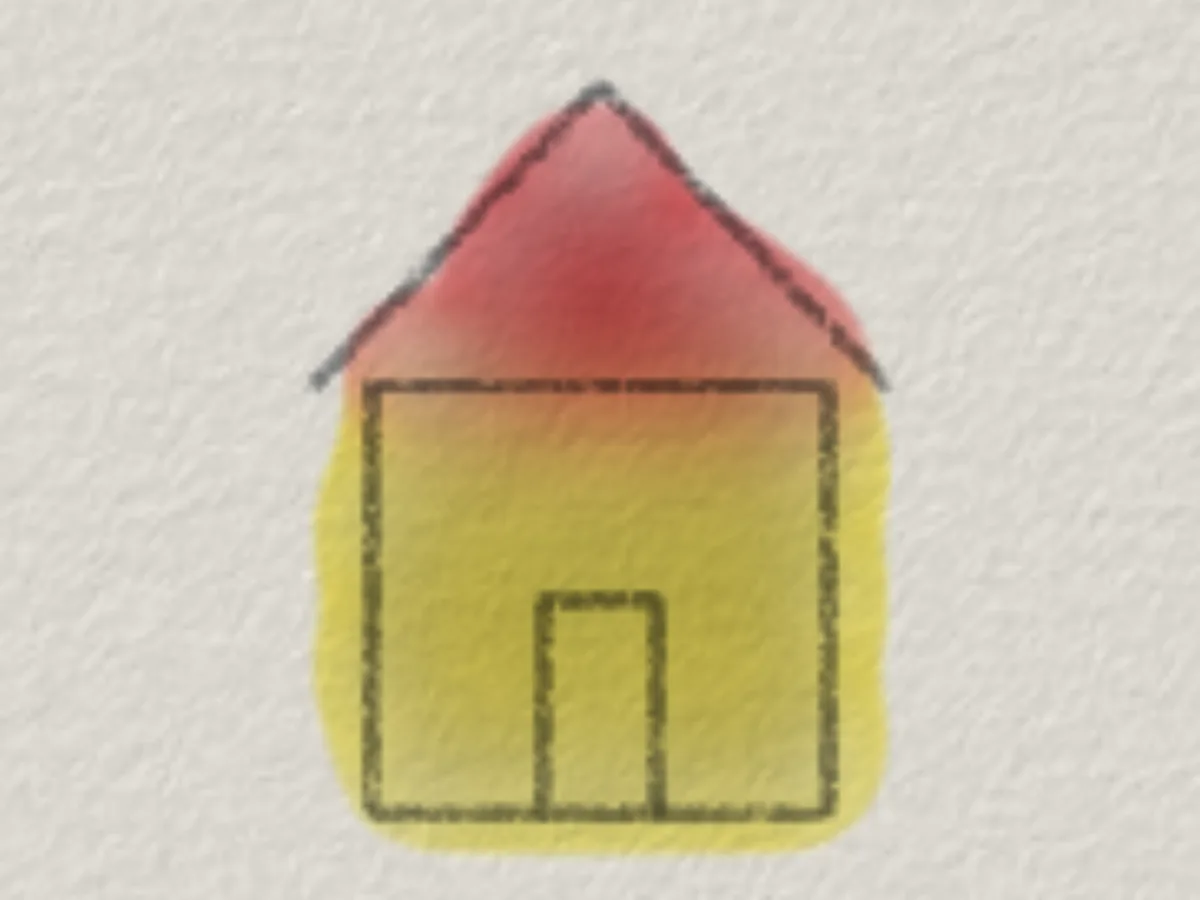
A grey pencil drawing of a house coloured in with yellow and red watercolour; the wash has spread but the pencil lines are still sharp
Colouring in over pencil. The wash runs, the grey line stays. An automated test checks that more than 85 % of the line stays under yellow, red and blue washes. When one held number served all three colours, only about a third of it stayed.
Try it: smudge three lines The game's own rule

A grey pencil line, a blue coloured pencil line and a red crayon line, all drawn as usual. Drag across them, or press Drag across. Choose what does the rubbing, or wet the paper. What to look for: the grey smudges most, the blue a little, the crayon hardly at all. In the game one drag of the hand smudges the grey only lightly (picture beside). The total doesn't change: a smudge moves colour, it never rubs it out. On wet paper the dry smudge stops. The ball's pressure and hardness here are illustration values; that it rolls without sliding is the game's.

Grey pencil, blue coloured pencil and red crayon lines being smudged by a hand
Rub with
total colour
—
at the start
—
still loose
—
graphite
—
In the game, a grey pencil line, a blue coloured pencil line and a red crayon line after one drag of the hand down across their middles: the grey is paler there, with a faint grey smudge below it; the blue and red lines look unchanged
One drag, three answers, in the game. The hand drags once down across pencil, coloured pencil and crayon. The grey thins where it passed and leaves a faint smudge below; the blue and the crayon barely change. Graphite sits loose and travels; wax holds its colour where it was put.

A hard press dents the paper, and the next pencil finds the dent

Write a note with a hard pencil and the page underneath gets a hidden copy. Shade over it lightly and the writing comes up white. The point dug a groove, and the side of the next pencil skips over it.

The game does the same. A fine pencil pressed hard pushes a groove into the sheet, one cell wide. Shade over it later and the lead catches on the groove's edges and mostly misses its bottom. The pressed line stays clean of the shading, in its own colour, with dark walls where the lead catches the groove's edges.

The pencil doesn't care what made the bump. It only reads the height of the paper. A tyre track, a tooth mark, a dry stamp pressed down, the edge of a strip of tape or the raised lines of a colouring page all leave their shape in the same height field, so a pencil shaded over them brings them out. Nobody wrote a rubbing tool. It falls out of one shared field.

Wet paper dents more easily, as real paper does. A rolling pin leaves dry paper flat but presses into soaked paper. Dents never relax by themselves. Only the iron and the rolling pin smooth them out again.

Under the hood
A hard press dents the paper, and the next pencil finds the dent

Under the hood

A hard press dents the paper, and the next pencil finds the dent

The groove: only a point drawn along its length qualifies. Its hardness, a fine tip and the pressure together have to pass a threshold, and then the centre line sinks a little with every move, down to a floor. A pencil only passes it at "hard" with a fine tip, so a pencil on its side never grooves. One slow pass reaches the floor, since the amount is per move.

Every drawing tip reads the ground through one shared function. It looks at the height of the paper (the dents, plus a little of its waviness) and returns a bump factor: above 1 where the tip runs into a slope, below 1 at the bottom of a narrow groove, exactly 1 on flat paper. The bump multiplies what the lead lays and how dark it may get.

Automated tests check that a hard yellow line shaded over in grey stays clearly paler than the grey beside it, and that a pencil over grooves written straight into the height field comes up darker at their edges. Tyre tracks, tooth marks, stamps and tape write the same field; that a pencil finds those follows from the shared field, not from a separate test.

Try it: find the hidden drawing The game's own rule

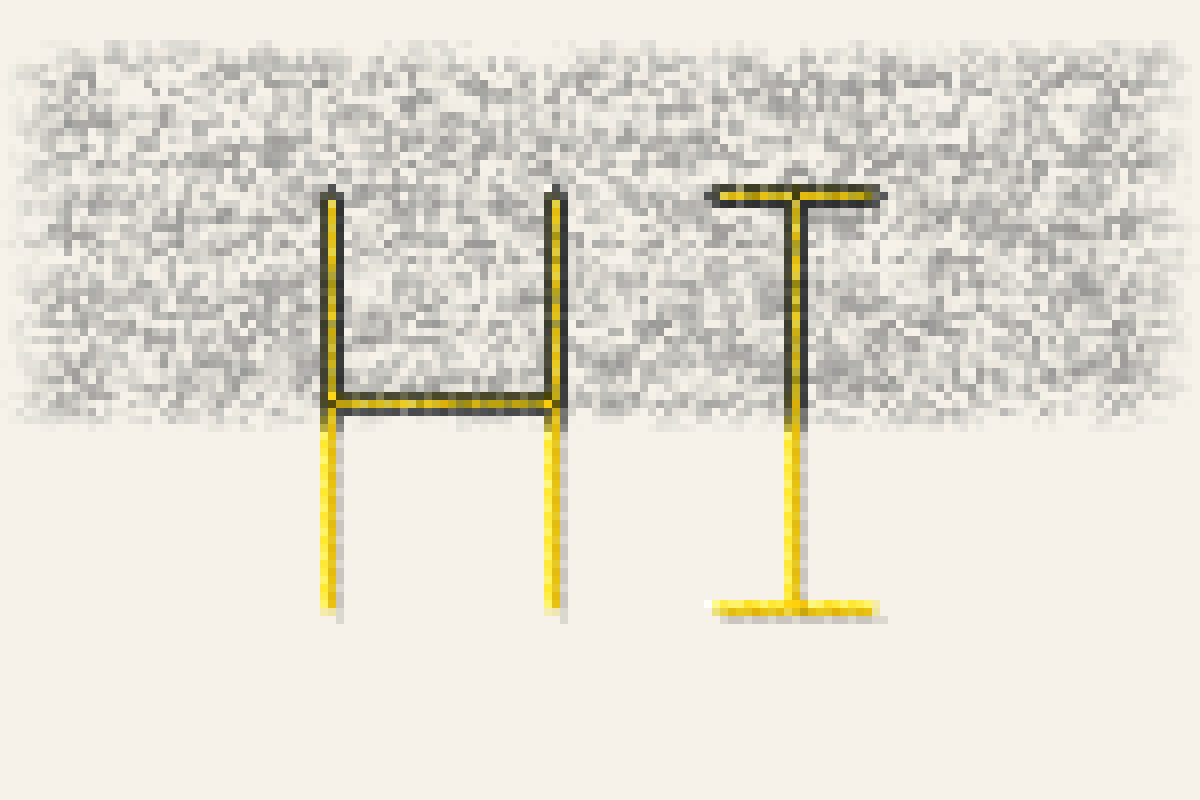
The word HI was pressed in hard with a fine yellow pencil, and the grey pencil is shading over it. Press your own lines, push a dry stamp into the paper, then shade over them; the buttons do the same. What to look for: the pressed lines come up pale with dark walls. On this small grid, slanting grooves show mostly as dark edges. The stamp prints no ink, yet its outline appears once you shade over it. Shading from different directions changes which edges catch.

The word HI pressed into the paper appears as a grey pencil shades over it
Tool
grey laid in the groove ÷ beside it
—
groove cells shaded
—
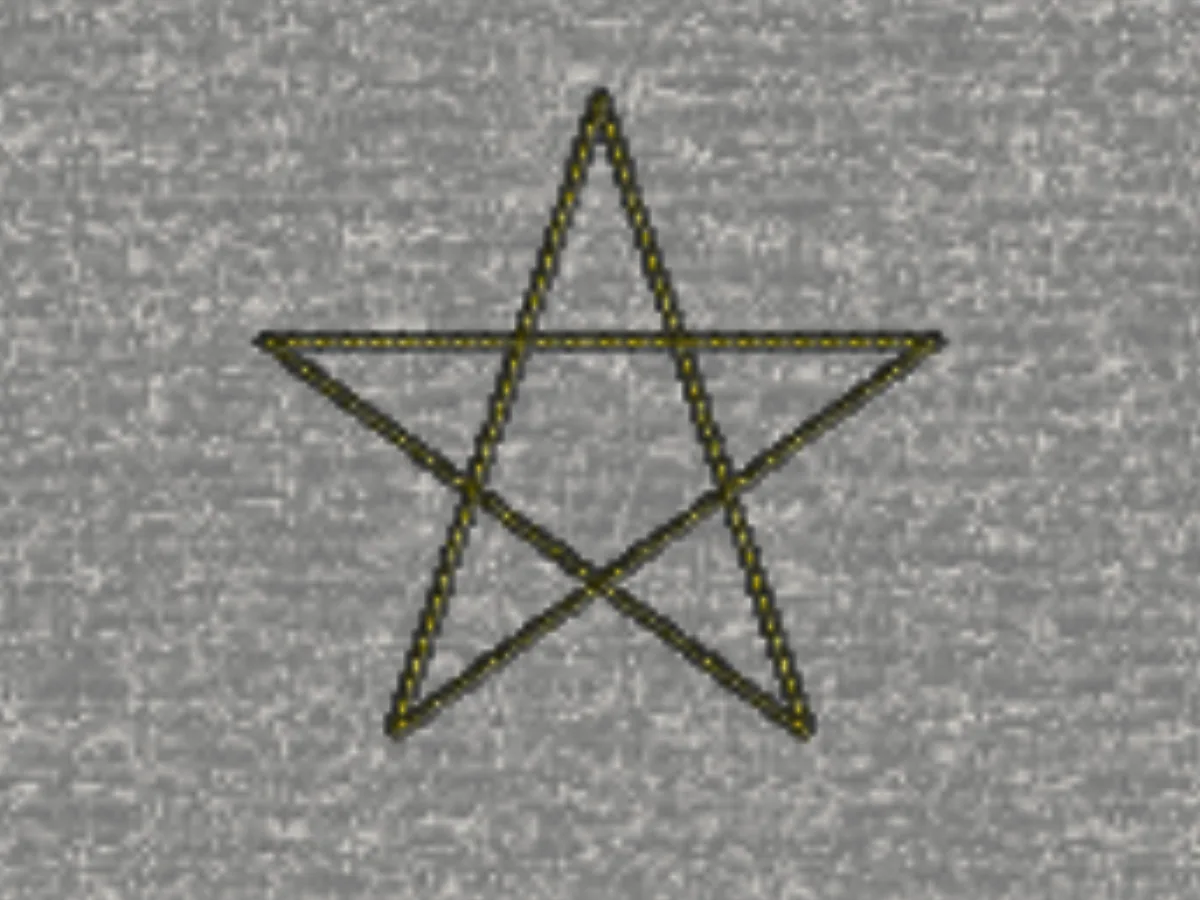
A star pressed in with a hard yellow pencil and shaded over with grey: the grey skips the pressed line, which stays clean yellow with dark edges
The hidden-writing trick, in the game. A star pressed in hard with a fine yellow pencil, then shaded over in grey. The grey skips the groove, so the star stays clean, and the groove's walls catch the grey as dark edges (before the shading, the star had none). The grey pencil reads only the paper's height, and the hard point changed it.
Everything writes into the same height fieldThe hammer comes from the shared impact rule, which dents wet paper further; the hard pencil's groove is per move; the punch is the raised rim round its hole. Teeth, tyre, toy car, stamp and tape are in the full version.

A hammer presses the paper in by 0.9, teeth 0.75, a hard fine pencil 0.6 and a tyre 0.55; a pigeon and a toy car only on wet paper; a stamp 0.15. The punch's rim, tape and a stencil raise it by 0.25 to 0.4.

Everything writes into the same height field−1.00−0.80−0.60−0.40−0.200.000.200.40hammertyrestampstencil← pressed in · raised →Everything writes into the same height field−1.00−0.500.000.50hammerteethpencil (hard,…tyrepigeon (wet p…toy car (wet …stamppunch (rim ro…tapestencil← pressed in · raised →
Data table
Everything writes into the same height field
change in the paper's height
hammer−0.90
teeth−0.75
pencil (hard, fine tip)−0.60
tyre−0.55
pigeon (wet paper only)−0.35
toy car (wet paper only)−0.20
stamp−0.15
punch (rim round the hole)0.25
tape0.35
stencil0.40

Source: How far each thing changes the paper's height, on dry paper unless noted.

Crayon leaves wax behind, and the wax changes what comes next

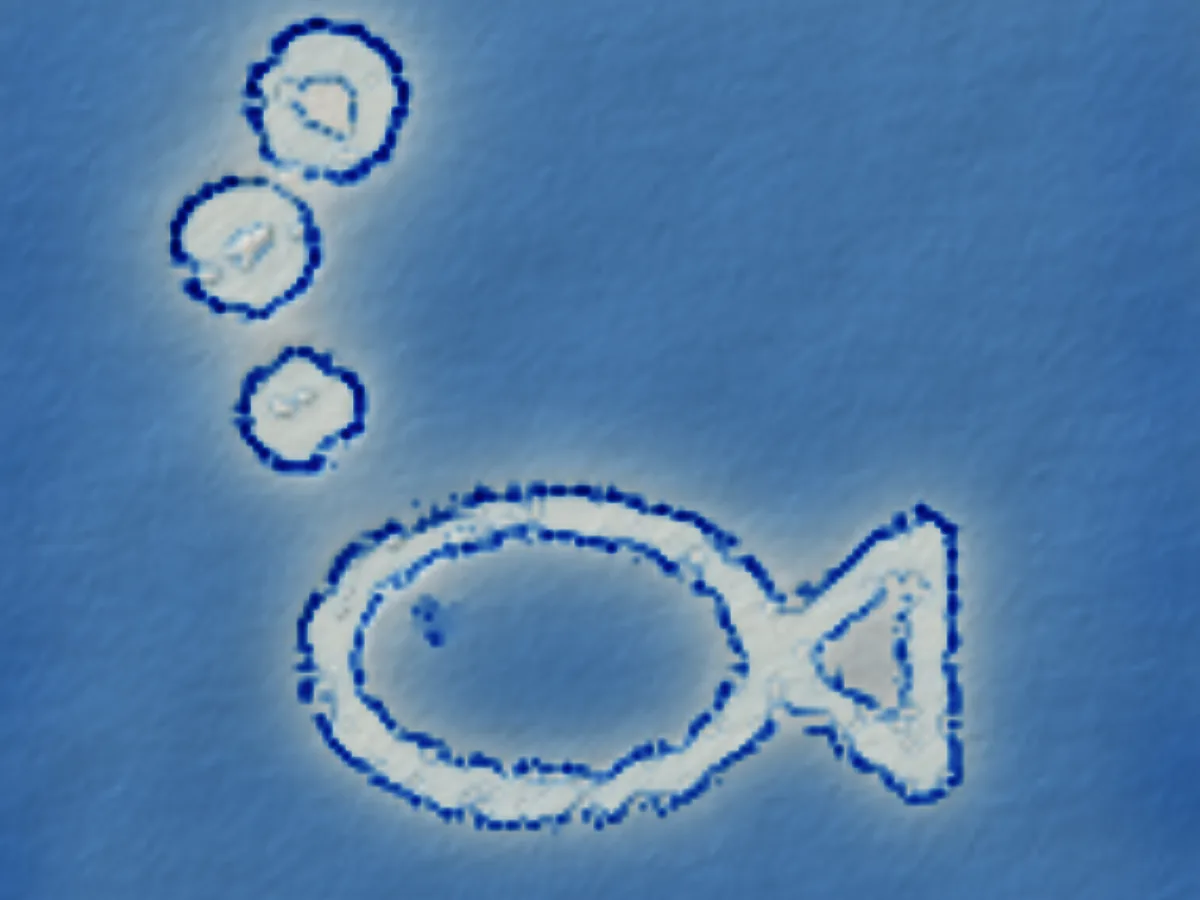
Draw a fish in white crayon on white paper and you can barely see it. Brush blue watercolour over it and the fish appears. The wax kept the paint out.

In the game, a crayon writes two things. It writes colour, and it writes wax into the fibres. Coloured pencils leave a little wax too. That one wax field is read by much of what comes later. Watercolour takes less where there is wax. Paint stains less. Water wicks more slowly between waxy spots. Bleach hardly reaches the colour underneath. Stickers grip less well. And a finger smudges less.

Heat melts it. Over 60 °C the wax softens and soaks into the paper, carrying its colour into the grain, so a grainy crayon scribble floods into smooth, deep colour. A candle, a hair dryer, a magnifying glass or an iron all do it, because they all just make heat. A hot cup does not get hot enough.

Scratch art comes out of the same rules. Colour a patch with crayon, paint thick black over it, let it dry and scratch with a toothpick (in the full version). The black never stained the crayon, so a fine coloured line shows through.

Under the hood
Crayon leaves wax behind, and the wax changes what comes next

Under the hood

Crayon leaves wax behind, and the wax changes what comes next

Crayon writes wax with every touch, up to a cap; a coloured pencil writes a little. Each system that reads the wax turns it into its own simple multiplier, plotted in the chart below: how much watercolour lands, how much paint stains, how fast water wicks between cells, how well bleach works, how much a smudge takes and how well a sticker grips. Soap counts as wax in all of these except the smudge.

Melting looks at each cell and its four neighbours. Above the melting point it evens the wax out between them and pulls each cell's colour toward their wax-weighted average, slightly deepened. It only ever adds colour. The speed grows from nothing at 60 °C to full speed ten degrees higher.

In play it runs on the heat system's beat, over just the box of hot waxy cells, and rows with no wax are skipped. An automated test checks that candle, hair dryer, magnifier and iron melt crayon and a hot cup doesn't.

Try it: white crayon under a wash The game's own rule

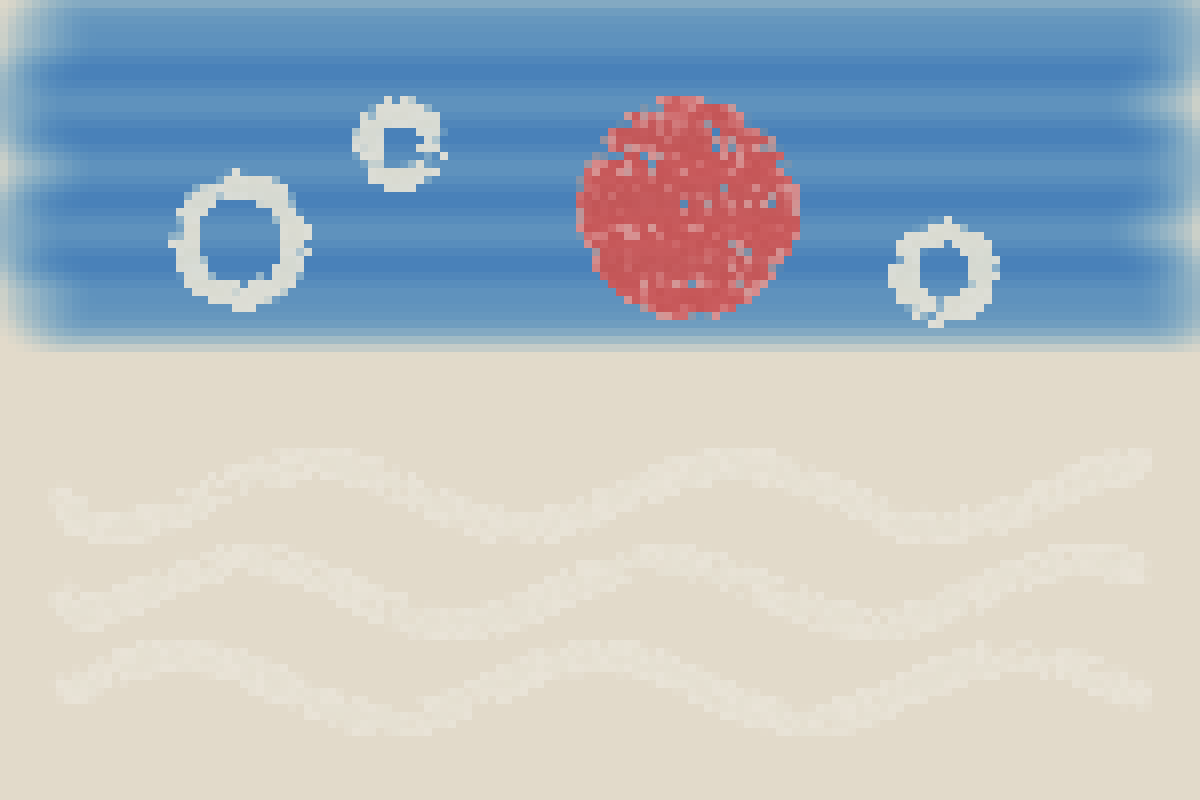
White crayon waves and bubbles, a red crayon sun, and a blue wash going over them. Draw with either crayon, then wash; the buttons do the same. Turn up the heat past 60 °C to melt the crayon. What to look for: the white shapes stay pale under the blue. Melted, the red sun goes smooth and deep. This demo leaves out how the wash's water spreads (that is Water in paper).

White crayon waves and bubbles and a red crayon sun under a blue watercolour wash, with a heat slider that melts the crayon
Tool
20 °C
wash taken on waxy cells ÷ bare
—
crayon
—
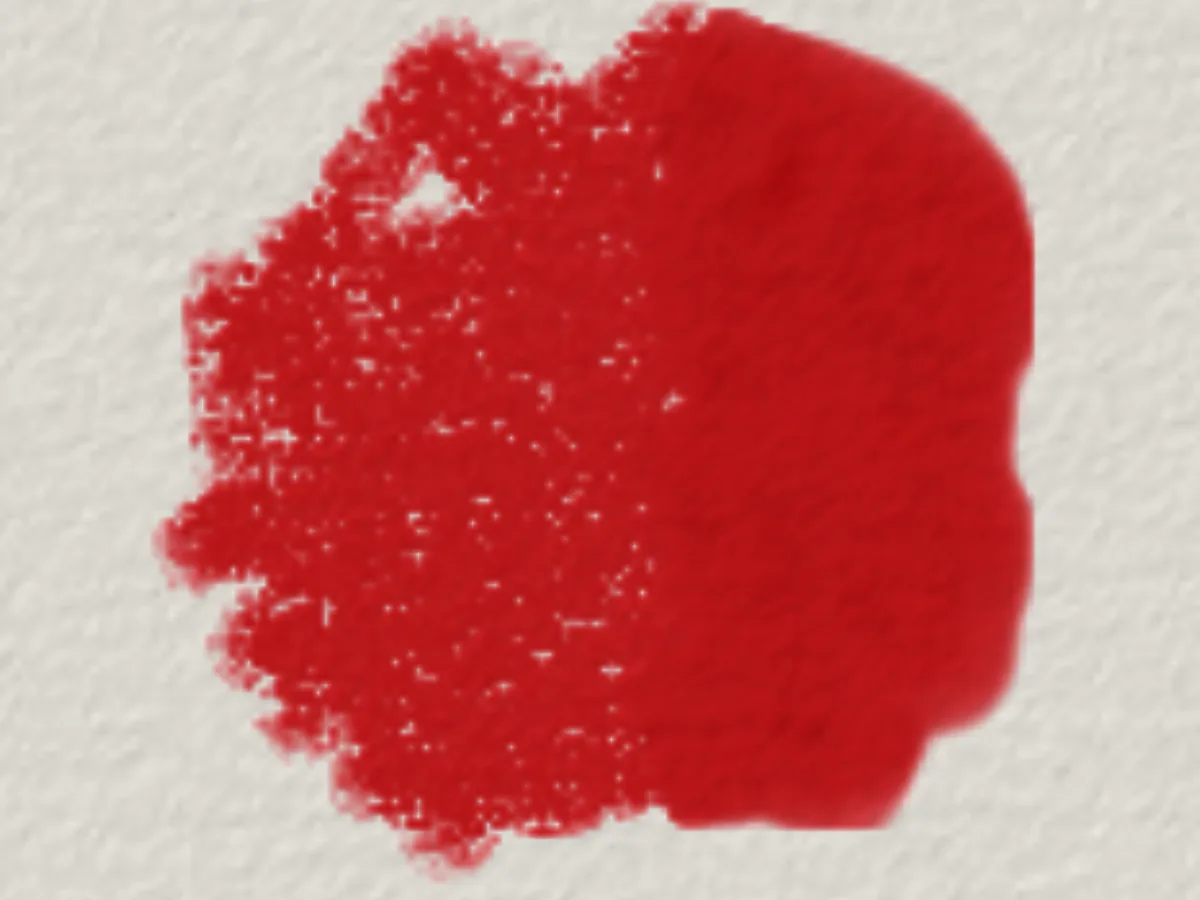
In the game, a red crayon scribble whose right half has been ironed into smooth, deep colour while the left half is still grainy
Half a scribble under the iron, in the game. Past 60 °C the wax melts and fills the paper's grain, so the ironed half turns smooth and deep. Nothing in the iron knows about crayon; it only makes heat.
One wax field, read by five systems

At a wax of 0.7, watercolour lets through 0.09, a paint stain 0.3, a smudge 0.42, bleach 0.09 and wicking between two waxy cells 0.05.

One wax field, read by five systems0.00.20.40.60.81.00.00.20.40.60.81.01.21.4wax in the paper (crayon: up to 1.5)share that still gets throughOne wax field, read by five systems0.00.20.40.60.81.00.00.51.01.5wax in the paper (crayon: up to 1.5)share that still gets through
  • watercolour colour
  • paint stain
  • smudge
  • bleach
  • wicking between two waxy cells
Data table
One wax field, read by five systems
wax in the paper (crayon: up to 1.5)watercolour colourpaint stainsmudgebleachwicking between two waxy cells
011111
0.050.9350.950.9090.9350.91
0.10.870.90.8330.870.82
0.150.8050.850.7690.8050.73
0.20.740.80.7140.740.64
0.250.6750.750.6670.6750.55
0.30.610.70.6250.610.46
0.350.5450.650.5880.5450.37
0.40.480.60.5560.480.28
0.450.4150.550.5260.4150.19
0.50.350.50.50.350.1
0.550.2850.450.4760.2850.05
0.60.220.40.4550.220.05
0.650.1550.350.4350.1550.05
0.70.090.30.4170.090.05
0.750.080.250.40.0250.05
0.80.080.20.3850.010.05
0.850.080.150.370.010.05
0.90.080.10.3570.010.05
0.950.080.10.3450.010.05
10.080.10.3330.010.05
1.050.080.10.3230.010.05
1.10.080.10.3130.010.05
1.150.080.10.3030.010.05
1.20.080.10.2940.010.05
1.250.080.10.2860.010.05
1.30.080.10.2780.010.05
1.350.080.10.270.010.05
1.40.080.10.2630.010.05
1.450.080.10.2560.010.05
1.50.080.10.250.010.05

Source: Each reader's own multiplier, as the game uses it. Curves from the game's own rules.

White crayon fish and bubbles showing pale through a blue watercolour wash
Wax resist, in the game. White crayon, then a blue wash. An automated test checks that crayon and soap both resist watercolour washed over them.

Wet paper stops a smudge, deepens a dent and stays wavy

You might expect a pencil to skid on oily paper or tear wet paper. In the game it doesn't, and we say so plainly: the pencil and the crayon lay their colour the same on wet, oily or dry paper. What water and fat change is everything that comes afterwards.

  • Wet paper stops a dry smudge. A finger on soaked paper smears only the free colour, and a pencil line, being held, stays.

  • A puddle stops a groove. A hard point drawn through standing water leaves no dent.

  • Wet paper dents deeper. A dropped weight, teeth, paws and tyres all press further into soaked paper.

  • Paper that was wet stays wavy. It buckles as it soaks and never quite flattens. A pencil shaded over the old wet patch catches at its border, by the code.

  • Fat in the paper slows water. Grease soaks in, shows as a see-through stain and slows water soaking in after it. It does nothing to a pencil.

  • Thick goop on top takes the colour. Draw through oil or paint more than a thin film deep and the colour tints that, and the tip gets dirty.

One spot of paper holds all of this at once, in separate fields. Each system reads only the fields it needs, which is why a new tool mostly joins in without code written for each pair.

Under the hood
Wet paper stops a smudge, deepens a dent and stays wavy

Under the hood

Wet paper stops a smudge, deepens a dent and stays wavy

Each of these is a simple threshold or multiplier, one line in the code:

  • a dry smudge fades out as the paper gets wet;

  • a hard point makes no groove through standing water;

  • an impact dents by the energy it brings, and further on wet paper;

  • a broad press like a rolling pin dents only when it is firm and the paper is wet;

  • waviness grows quickly while the paper is wet and relaxes only very slowly;

  • grease in the paper slows water soaking in;

  • goop on top deeper than a thin film takes the colour, and deep goop takes all of it.

Automated tests check that a wet hand over a pencil line on soaked paper smears only the free colour, that a toothpick grooves dry paper and leaves none in a puddle, and that a rolling pin dents wet paper and not dry.

A pencil feels only a little of the paper's waviness, while water, goop and the eye see much more of it. So the pencil feels only the border of an old wet patch, not every wave inside it. That is a known mismatch, not a design choice.

What one spot of paper keeps, from the top down
LayerWhat it keeps
A sheet lying on ita sticker, leaf, tape or stencil, and which one it is
Things on toppaint, ketchup, oil and standing water, each with its own depth
Colour in the fibresabsorbance per colour channel, and how much of it is dye, loose or held
What else soaked inwax, graphite, grease, water and soap
The paper itselfits tooth, its height, its waviness and any hole

Each stamp print comes out fainter, and the ruler and compass guide whatever you draw with

Ink a stamp and press it down again and again. Each print is fainter than the last. In the game a stamp gives twelve prints per inking, and each one is a little patchy where the paper's fibres sit low. Every print also presses a faint dent, so by the code a pencil shaded over the spot later finds the shape, even after the stamp ran dry.

Press a stamp into ketchup and it picks some up. Stamp elsewhere and it prints ketchup. Stamp over a sticker and the print lands on the sticker. (Stamps are in the full version.)

The drawing kit next to the paper works differently. A ruler, a compass, the spiral gears and the vanishing points don't draw anything. They steer the pencil, crayon, marker, paint or watercolour you are holding, and that tool lays its colour by its own rules. A ruled line in white crayon resists a wash like any other crayon line. The compass only listens to which way round your finger turns, not how far from the centre it is, so a wobbly hand still draws a true circle.

Under the hood
Each stamp print comes out fainter, and the ruler and compass guide whatever you draw with

Under the hood

Each stamp print comes out fainter, and the ruler and compass guide whatever you draw with

Stamp shapes are maths, sampled several times per cell for soft edges. Each print lays ink in proportion to what is left on the stamp, a little less where the fibres sit low, and presses a shallow dent. The stamp loses a fixed share of its ink per print and prints nothing below a small floor, which works out at twelve prints per inking.

The print is free colour, neither loose nor held, so it doesn't smudge and water can move it. Re-inking blends fresh ink into what is left. An automated test checks the second print is fainter and a dry stamp prints nothing.

The spiral gears draw the curve of a gear rolling inside a 96-tooth ring, the hypotrochoid of the real toy. A gear with t teeth closes after t ÷ gcd(96, t) laps.

The compass takes only the finger's angle and lays points close together along the arc. An automated test swings a finger well outside the circle and finds the ink on the circle and none at the centre.

Twelve prints per inkingThe two fibre values are near the top and bottom of the paper's grain. An automated test checks the second print is fainter.

The first print lays 0.985 on high fibres and 0.831 on low ones; by the twelfth it is down to 0.027 and 0.022.

Twelve prints per inking0.00.20.40.60.81.024681012print numberink laid per printTwelve prints per inking0.00.20.40.60.81.024681012print numberink laid per print
  • on high fibres (0.7)
  • on low fibres (0.3)
Data table
Twelve prints per inking
print numberon high fibres (0.7)on low fibres (0.3)
10.9850.831
20.7090.598
30.510.431
40.3670.31
50.2650.223
60.190.161
70.1370.116
80.0990.083
90.0710.06
100.0510.043
110.0370.031
120.0270.022

Source: The game's own stamp rule: a fixed share of the ink goes with each print, and below a small floor the stamp prints nothing.

Spiral gears, drawn by the formula

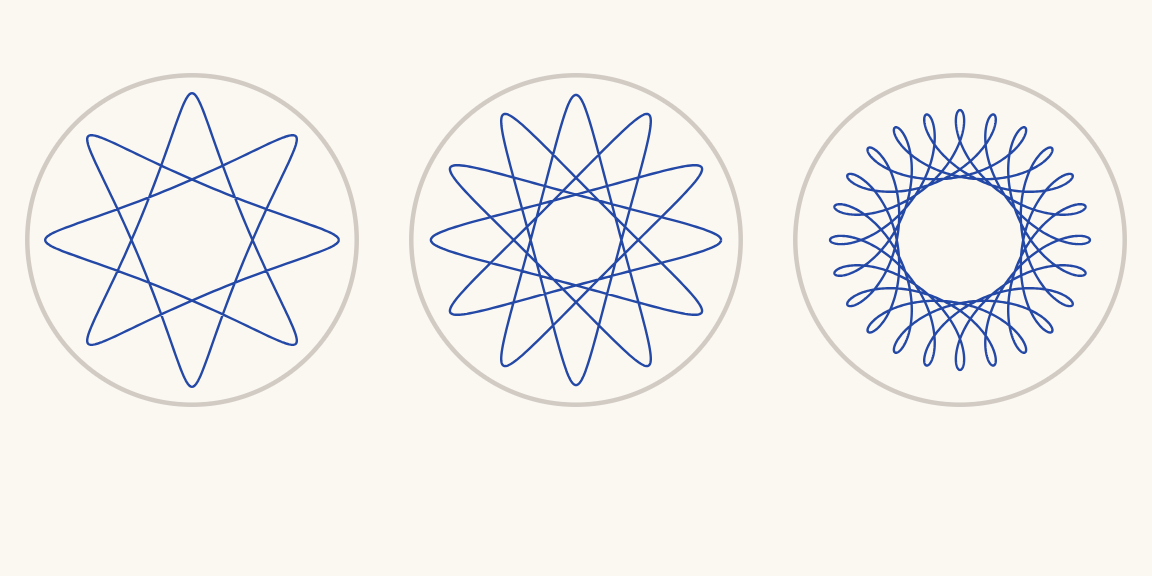
Spiral-gear patterns drawn here with the game's own formula, pen hole at 0.75: 36 teeth closes after 3 laps, 8 petals; 40 teeth after 5 laps, 12 petals; 76 teeth after 19 laps, 24 petals. A gear that shares more factors with the ring's 96 teeth closes sooner. In the game a dotted preview shows the whole pattern before you start.

Three spiral-gear patterns drawn by the game's formula, for gears of 36, 40 and 76 teeth in a 96-tooth ring
  • 36 teeth
  • 40 teeth
  • 76 teeth

Pencil lead conducts a battery's current, and a hair dryer melts crayon into smooth colour

A line in the game is not a picture on top of the world. It is wax, graphite, colour and height in the same cells that water, heat, electricity and chemistry read. So drawings take part in everything else.

Shared: graphite

Clip a battery to a grey pencil line, and another to a crayon line

A tiny current, worked out in real volts and amps with Ohm's law, runs through the pencil and none through the crayon. The more graphite a cell holds, the better it conducts. Pinned by a test.

Electricity

Shared: held colour, per channel

Wash watercolour over a pencil sketch

The wash runs and blooms; the grey line stays where it was. Pinned by a test.

Water in paper

Shared: temp > 60 °C → wax

Hold a hair dryer, candle or iron over a crayon drawing

The crayon melts into smooth, deep colour. A hair dryer melts it close along its jet and not further out. Pinned by a test.

Heat and fire

Shared: wax

Crayon over wet colour, then drip bleach

Over half the colour under the crayon survives, while bare colour fades to a small fraction. Pinned by a test.

Chemistry and pH

Shared: dent

Drive the monster truck over a pebble (full version)

The pebble stays whole and presses into dry paper. Shade over it and the pencil catches the dent, because it reads the same height field. Pinned by a test.

Things that push things

Shared: dye, one speed per colour

Drop water on a black marker dot

The dot splits into rings: cyan runs furthest, yellow stays in the middle. Blue food colouring stays one colour. Pinned by a test.

How colours mix

2 stores
Per spot of paper: what a rub can take, and what water can't. Typed in per medium.
1 function
Decides what water may move, for the paper's bleeding, wicking, soap, a wet hand, a sponge and wading.
60 °C
Where crayon starts to melt, fully 10 °C above that.
12 prints
Per inking of a stamp, each a little fainter than the last.
6 systems
Read the one wax field: watercolour, paint stains, wicking, bleach, the smudge and a sticker's grip.

The game keeps what a child can test by hand and skips pencil grades and paper types

Each line here was a choice. We keep the behaviour a child can see and test with their own hands, and leave out what a tablet can't afford or a child would never notice.

In real life. Graphite is flakes and wax is a film; how each sticks depends on paper, pressure, brand and grade

In the game. Two typed shares per medium: how much sits loose (graphite most, crayon least) and how much is held against water (almost all of all three)

Why that's enough. One clear idea per tool, and it adds up across tools. There is no HB versus 6B and no choice of paper.

In real life. Paper is a three-dimensional web of fibres

In the game. One number per cell from fractal noise, static except where scraped or clawed

Why that's enough. Cheap, and it looks right. The streaks give no direction to flow: water spreads the same along and across them.

In real life. Lead transfer depends on force, sharpness and friction

In the game. Three choices of how hard, mapped to a threshold, a gain and a ceiling in game units

Why that's enough. Children choose "lightly, as usual, hard", not newtons. Nothing is calibrated against a real force.

In real life. Paper yields under a stress and slowly springs back

In the game. A unitless dent in one shared height field that never relaxes; only the iron and rolling pin flatten it

Why that's enough. The rubbing stays for as long as the child wants to find it. Stamps have no floor, so many prints in one place keep going deeper.

In real life. A wash beads up on wax and the water runs off

In the game. A multiplier on how much colour lands; poured water soaks in under crayon as on bare paper, though wicking between waxy cells is slowed

Why that's enough. The colour is what a child sees. The water's own behaviour on wax is not modelled.

In real life. Melted wax carries its colour into the fibres and spreads it thinner

In the game. A wax-weighted blend that only ever adds colour

Why that's enough. Grainy strokes flood into smooth, deeper colour, as they should. The colour is not conserved: pale cells take on their neighbours' colour and give nothing back.

In real life. Light is absorbed wavelength by wavelength

In the game. Three channels of absorbance that add up, shown as paper × e−abs, the shape of the Beer-Lambert law Swinehart 1962

Why that's enough. Fast, and layers mix plausibly. It is not spectral.

In real life. Paper folds, creases and tears; chalk dusts onto it

In the game. None of these: the sheet is a flat grid, and holes come from a punch, a flame or a stick

Why that's enough. What a child does to a page in the game is draw, wet, heat, press and punch it. Folding is for dough.